

Spring Maintenance Tips to Keep Your Chevrolet Ready for Virginia Roads
If your Chevrolet just battled through another tough Virginia winter, a spring maintenance schedule is the ideal way to undo winter wear and tear. Our spring car care tips can get your vehicle running smoothly again and may help you avoid costly repair bills down the road. If you prefer to leave it to the professionals, our expert team at Johnson Family Chevrolet in Woodlawn can provide a comprehensive spring service to prepare your car for the year ahead.
Why Spring Maintenance Matters for Virginia Chevrolet Drivers
Winter in our area is tough on cars. Between road salt, freezing temperatures, and wild weather swings, your vehicle takes a beating. Coastal areas expose undercarriages to salt, while mountain areas deal with daily temperature swings of up to 40 degrees. Last winter, the American Automobile Association (AAA) handled 77,000 calls from stranded drivers throughout the state, and 33% were due to dead batteries that proper spring auto maintenance may have prevented.
Your wallet also feels the impact of skipped maintenance. Skip the oil change today, and you could be buying a new engine tomorrow. If you maintain your vehicle, you could pay much less for repairs.
How Winter Conditions Impact Your Chevrolet’s Performance
A hard winter of frigid mornings can drain battery power, which explains why so many local drivers called AAA last winter. Electric Chevrolet owners also feel the impact because electric vehicles can lose up to 39% of their driving range in temperatures between 6 and 19 degrees.
Virginia also means year-round salt exposure. Road salt increases metal corrosion quickly, especially when combined with high humidity. That’s why drivers in our region wash their undercarriages more than those in drier states.
Essential Fluids To Check and Replace
Cold weather can cause essential vehicle fluids to thicken. Synthetic oil should be changed every 5,000 to 7,500 miles or more often if you drive in stop-and-go traffic or frequently climb the Blue Ridge mountains. As your coolant system also takes a beating from temperature swings, coolant should be flushed every 50,000 miles or five years.
Brake fluid dislikes humidity and absorbs moisture over time. Change it every two or three years. Transmission fluid needs to be replaced every 30,000 to 60,000 miles, though it can last up to 100,000 miles with proper care. Fluid changes cost less than replacing your transmission or engine due to neglect.
To check your oil, park on flat ground, wait 10 minutes, pull the dipstick, wipe it clean, reinsert it fully, then check the level. Oil should look dark but not gritty. When checking coolant, never open the radiator while it’s hot. When the engine cools, find the plastic reservoir near the radiator and ensure that the fluid level falls between the minimum and maximum lines.
The brake fluid reservoir is typically located on the driver’s side toward the back of the engine bay. Good fluid looks clear or slightly yellow, while dark brown means it needs changing. Don’t overlook washer fluid, especially in our state where heavy pollen can affect visibility.
Battery Health and Electrical System Inspection
Spring is the ideal time to check your battery and electrical system before summer travel. A healthy battery usually reads between 12.6 and 12.8 volts. Readings below 12.6 mean your battery may need replacing. Check the terminals for white crusty buildup or blue-green corrosion that may restrict electrical connections.
Accurate battery health requires load testing rather than just voltage checks. Mechanics examine open-circuit voltage, state-of-health ratios, and internal resistance. Many batteries pass voltage tests but fail when the air conditioning is used on 95-degree summer days.
Tires, Brakes, and Wheel Alignment
Temperature swings cause constant tire pressure changes. For every 10-degree temperature change, tire pressure shifts by about 1 psi. Spring storms also contribute to flat tires and uneven wear patterns. Winter tires should be swapped once temperatures consistently reach 45 degrees, as they perform worse than all-season tires in warm conditions. When swapping winter tires for all-seasons, avoid storing the winter set without preparation. Clean each tire, check for damage, and store them somewhere cool and dry away from sunlight and heat.
Winter driving is rough on brakes due to salt, slush, and hard stops. Even a single pothole strike can knock wheels out of alignment, causing uneven tire wear and reduced fuel efficiency.
To check tire tread depth, insert a penny into the tread with Lincoln’s head upside down. If the top of his head is visible, your tires are worn out. The legal minimum tread depth is 2/32 of an inch. Proper tire inflation is just as important. You should check tire inflation levels at least weekly during the spring.
Engine and Cabin Air Filters
The transition from winter to spring is a good time to check the parts that affect engine performance and efficiency. Inspect the engine air filter every 12,000 to 15,000 miles, or sooner if you drive on dusty country roads or sit in heavy city traffic. A clogged filter restricts airflow, reduces your engine’s performance, and increases fuel consumption. Remove the filter and hold it up to the light. If you can’t see through it, air can’t pass through it, either.
The cabin air filter is just as important. It should be replaced annually or two to three times per year if you suffer from spring allergies. A clean cabin filter traps more than 90% of dust, pollen, insects, and smoke. If your Chevrolet’s interior smells musty when the air conditioning is running, the cabin air filter is often the cause.
Professional Spring Maintenance Services in Virginia
DIY checks only catch issues you know to look for. Our professional mechanics can identify problems that often go unnoticed until they become expensive repairs. We have the proper tools, diagnostic equipment, and genuine parts. Contact us at Johnson Family Chevrolet in Woodlawn to schedule your spring maintenance. We offer tire services, oil changes, and a comprehensive vehicle inspection that includes brakes, fluid levels, the battery, and other essential systems.
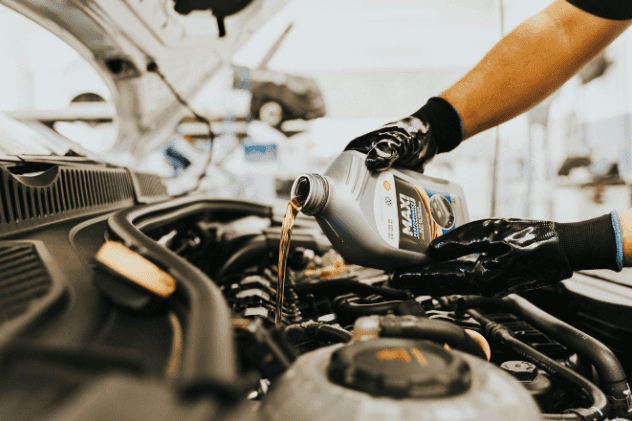
Pouring Oil to Engine by Daniel Andraski is licensed with Pexels License
0 comment(s) so far on Spring Maintenance Tips to Keep Your Chevrolet Ready for Virginia Roads