

Essential Winter Preparation for Your Chevrolet in Virginia
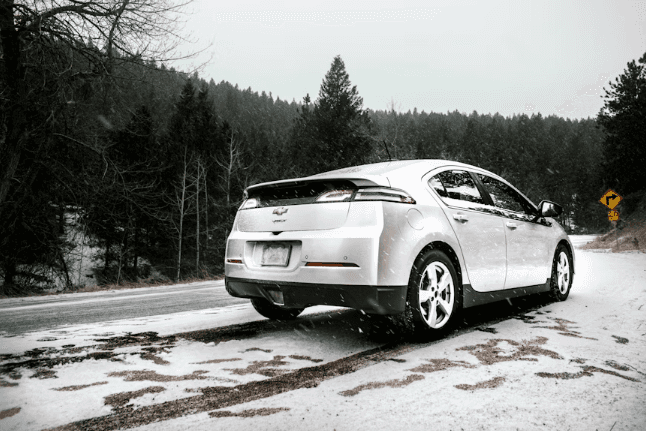
Winter weather in Virginia can sneak up quickly, with sudden temperature drops that create black ice and unexpected snow squalls. Whether you’re driving through Norfolk’s salty air or tackling slick Blue Ridge passes, your Chevrolet needs special preparation to tackle these tough conditions. Fortunately, our team at Johnson Family Chevrolet has put together this handy guide of winter car care tips for Chevrolet owners in Virginia to help keep you safe and your car functional for whatever lies ahead.
The Importance of Preparing Your Chevrolet for Virginia’s Winter Roads
Virginia winters can hit hard, with unpredictable temperature swings that create slick patches in Eastern Shore counties and elsewhere. Coastal areas such as Virginia Beach battle salt air corrosion, cities such as Richmond are filled with road salt, and mountainous southwestern Virginia gets clogged with snow.
The Virginia Department of Transportation (VDOT) estimates that around 70% of snow-related deaths occur in vehicles. Additionally, factors such as inclement winter weather, increased holiday travel, and dark roads as days shorten create conditions that increase the risk of vehicle collisions. Getting your Chevrolet winter-ready might just save your life.
Essential Chevrolet Maintenance Before Winter Hits
Getting ahead of car maintenance in winter is your best defense. Chevrolet-certified technicians understand your exact vehicle systems and can spot trouble before it strands you, so it’s always a good idea to have a car checkup before winter arrives.
Battery and Engine Checks
Battery care is vital. Freezing cold weather can drop battery capacity up to 20%, which means gas- and diesel-powered engines require more battery power to start. If you drive a hybrid or electric Chevrolet, your driving range may be reduced by around 20%, too. Wet, cold weather and road salt can also wreak havoc on engine parts, so make sure to check battery connections, rubber parts, and serpentine belts for corrosion, rust, brittleness, or other damage.
Tire Care Essentials
Your tires make or break winter driving. For every 10-degree decrease in temperature, tire pressure drops 1-2 psi, which in turn affects handling, gas mileage, and tire wear. Therefore, it’s vital to check your tire pressure regularly and top your tires off with air as needed. Tread depth matters, too: For decent traction on slick roads, your tires need at least the state minimum of 2/32 inches of tread. Regularly rotating your tires ensures even tread wear and extends the life of your tires.
For the ultimate protection, equip your Chevrolet with winter tires. Their rubber stays flexible for improved traction, while all-season tires tend to get stiff in cold weather. Plus, winter tires’ deeper grooves and extra biting edges dig into snow and slush for easier handling on the road.
Fluid and Visibility Checklist
Your winter car care checklist must include attention to fluids, and various types of fluids react to cold differently. Oil and brake fluid thicken, straining your engine and brake system, while regular washer fluid can freeze solid, which can crack internal components and compromise your visibility during a storm. Using winter-grade fluids offers much more reliable performance.
You should also use a 50/50 balance of water and antifreeze, since coolant alone freezes more quickly, potentially cracking expensive engine parts, radiators, and cooling lines. Don’t forget to check your wiper blades, headlights, and taillights to make sure everything is clean and functional.
Emergency Preparedness and Safe Winter Driving
Being ready for emergencies isn’t optional during Virginia winters, when storms can trap you fast. Even areas such as Woodlawn that don’t often experience severe weather aren’t immune. Your personal preparation is still your first defense against getting stuck in a bad situation. VDOT offers the following tips for winter driving:
- Fill your gas tank: Keeping it at least half full during winter prevents fuel lines from freezing, plus it gives you fuel for heat if you’re stranded.
- Keep your battery charged: Drive at least 30 minutes weekly during winter, since short trips drain your battery rather than charge it fully.
- Call 511: Check the forecast and road conditions before traveling by calling 511, visiting the website, or downloading the mobile app. If conditions aren’t great, consider canceling your trip; know what your Chevrolet can handle, and don’t push it.
- Maintain visibility: Before getting in the car, clear any snow and ice from your windshield, windows, lights, hood, trunk, and roof.
- Drive carefully: Allow extra travel time so you aren’t tempted to rush, drive slowly, and keep extra room between your car and others on the road.
Must-Have Winter Essentials
VDOT also recommends that every car carry an emergency kit with the following items:
- Working flashlight, with extra batteries
- Ice scraper
- Charged phone, plus a portable charger
- Jumper cables
- Warm blankets
- First aid supplies
- Water bottles
- Nonperishable snacks
- Sand or cat litter (for traction)
- Small shovel
This kit can allow you to troubleshoot issues such as a dead battery or getting stuck in a snowdrift, plus it helps you comfortably survive extended roadside waits when help takes hours to arrive.
Planning for Ongoing Winter Car Maintenance
Smart planning spreads out winter care costs and helps prevent budget-busting emergency repairs. Sticking to a regular maintenance schedule is a great way to do this, as it lets technicians identify problems as they arise and fix them before they snowball into worse issues (plus, it offers the added benefit of extending your Chevrolet’s longevity). Keep good records of your car’s service history, since this can help with warranty claims and anticipating which services are next needed.
Make sure to schedule a professional checkup before the first frost hits so the pros have time to fix any issues while parts are readily available. Chevrolet Certified Service offers complete tire services with price matching, thorough multipoint inspections, oil changes, and rotations. Finally, create a simple monthly winter checklist (battery tests, fluid level checks, quick tire inspections, etc.) to ensure everything stays in good shape.
Keep Your Chevrolet Winter-Ready All Season Long
Good winter prep guards both your wallet and safety during Virginia’s fickle weather. The winter tips we’ve covered give you a solid game plan for keeping your Chevrolet in great condition, but it’s important not to skip professional services. Schedule your next visit with us at Johnson Family Chevrolet for complete maintenance that keeps you safe all winter long. Our techs will make sure your Chevrolet gets trustworthy, expert care before serious weather hits.
silver Chevrolet sedan on roadway near green leaf trees by Colton Sturgeon is licensed with Unsplash License
0 comment(s) so far on Essential Winter Preparation for Your Chevrolet in Virginia