

Leasing vs Financing a Chevrolet in Virginia
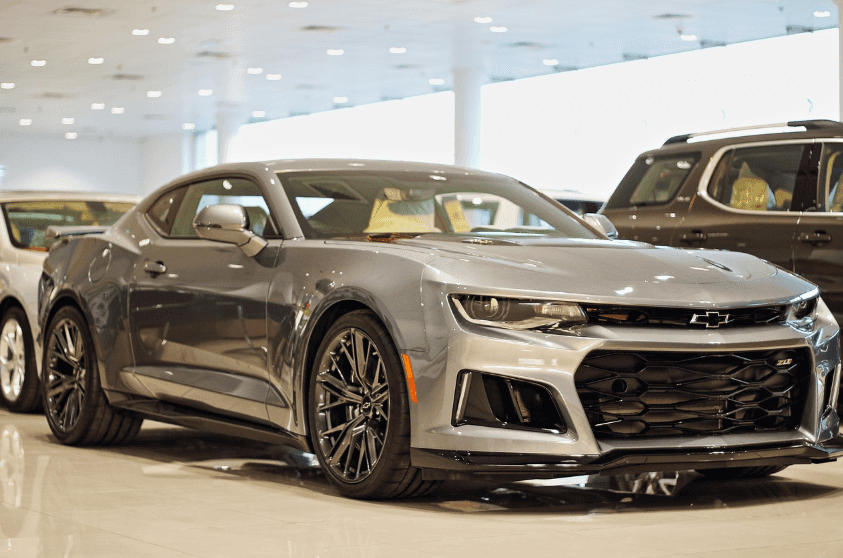
If you’re thinking about getting your next Chevrolet, you have a big decision to make: lease or finance? This choice affects how much you pay monthly, what it costs in the long term, and the benefits you get from ownership. Our team at Johnson Family Chevrolet has put together this guide to Virginia’s specific tax rates, insurance rules, and 2025 market conditions to help you make the smartest decision for your situation.
Key Differences Between Leasing and Financing
The main difference between leasing and financing is ownership. Financing means you’ll own your Chevy after paying off the loan. With leasing, you’re renting the vehicle for a set time, then returning it when your contract ends. This affects everything, monthly costs, end-of-term options, and ownership benefits.
Monthly costs are very different. Lease payments cover only the vehicle’s depreciation during your lease, not its full value. This means payments are much lower than for car loans.
Lease contracts have mileage limits of 10,000-15,000 miles per year, with terms usually lasting 24-36 months. If you exceed these limits, you’ll have to pay fees (typically 15-25 cents per extra mile). With leasing, you typically need less money up front than when you’re financing a vehicle.
Virginia-Specific Considerations for 2025
The basic Virginia state sales tax is 4.3%, but depending on where you live, you’ll pay between 5.3% and 7% total. Insurance costs also affect your decision as a Virginia driver. Car insurance in Virginia averages around $2,308 per year or $192 per month. However, most lease contracts require full coverage, averaging $2,545 per year or $212 per month. Don’t forget GAP insurance, often required for leased cars, which adds around $20 to your yearly premium.
Benefits of Leasing Your Chevrolet
Leasing has real perks for Virginia drivers who want smaller monthly bills while driving newer cars. New leases include warranty protection for repairs caused by defects. You’ll also get the latest tech, most up-to-date safety features, and better gas mileage with each new lease.
Current Chevy lease deals look pretty tempting for Virginians. Most Chevrolet leases run 24 or 36 months, with 36 months being most popular. You can choose a mileage allowance of 10,000-15,000 miles per year to match your driving habits. If you need more miles, you can negotiate or pay for extras if you go over the limit.
Benefits of Financing Your Chevrolet
Buying a Chevy gives you financial advantages. Each payment builds equity until you own an asset with value. There are no mileage caps or wear-and-tear fees, so you have total freedom. Add custom touches, take cross-country trips, and sell or trade whenever you want. For Virginians who keep cars long term or drive many miles, buying often saves money.
Current rates make buying attractive if you qualify. New-car loans average 6.35% interest, while used-car rates hit 11.62%.
Financial Analysis: Which Option Saves You More Money?
Finding the cheaper option means looking at total costs over time. For Virginians, sales tax varies by location, affecting your bottom line. Registration fees and Virginia’s personal property tax affect leased and owned vehicles differently, too. During the first three years, leasing usually costs less, thanks to lower monthly payments and warranty coverage. But if you’re looking at long-term ownership, financing wins out, as you build equity rather than making endless payments.
Choosing the Right Option for Your Situation
Your driving habits and lifestyle should guide this decision. If you drive over 15,000 miles per year, lease limits get expensive fast. If you have a growing family, ownership gives you the flexibility to add roof racks or towing packages. Using the car for business? Lease tax deductions might help.
Money matters need honest evaluation, too. Leasing typically needs less cash initially, while financing builds equity. Your credit score also directly impacts rates for both options. Virginia residents should also consider taxes, business use might favor leasing, but personal use often benefits from owning the car outright.
Start Your Chevrolet Journey in Virginia Today
When deciding between leasing vs. financing a car, it’s best to examine your specific situation. Think about your driving needs, budget, and lifestyle. Whether you pick leasing for lower payments and warranty perks or financing to build equity, both can be great options depending on your situation. Contact our team at Johnson Family Chevrolet in Woodlawn, Virginia, for expert advice on your lease vs. finance decision and to browse our Chevy lineup. We understand Virginia’s market and can help you find the perfect financing plan for your needs.
Image by SHRAVANKUMAR is licensed with Pixabay License
0 comment(s) so far on Leasing vs Financing a Chevrolet in Virginia